
EV charging with Fuuse

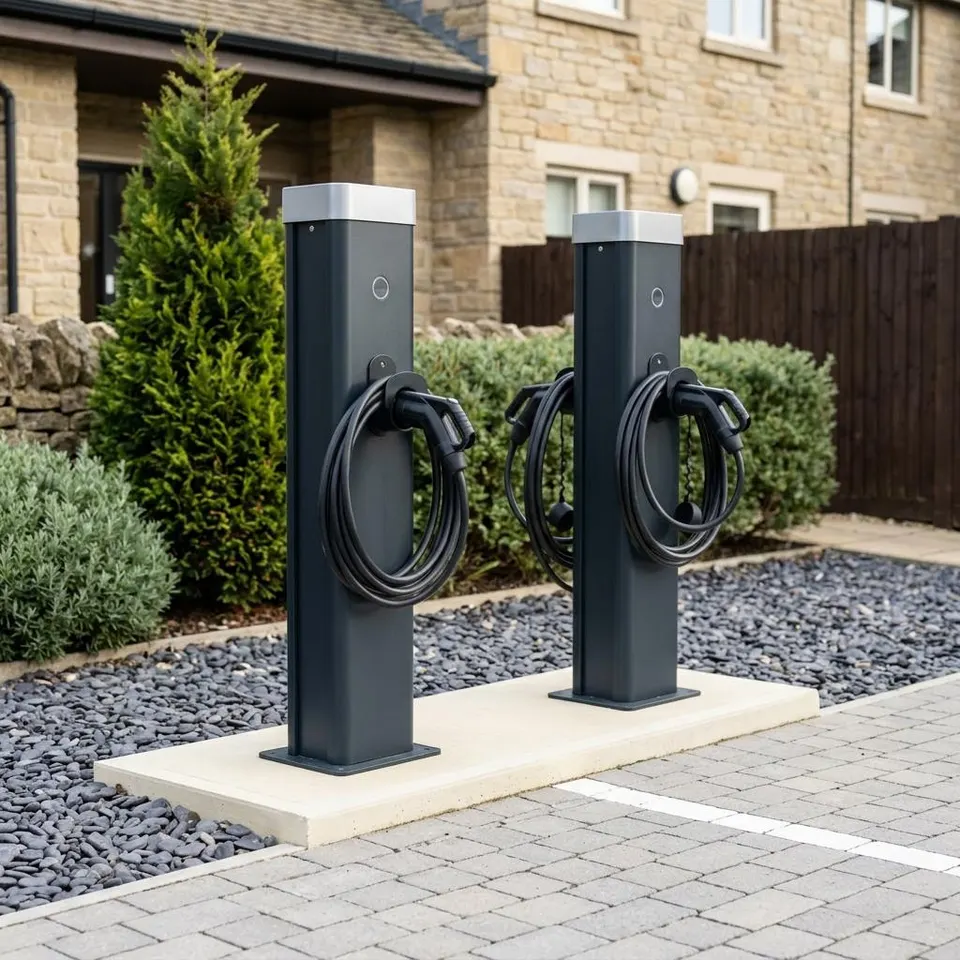
Chargers for staff and visitors, with access, tariffs, monitoring and reporting managed through the Fuuse platform.

  • New builds
  • Retrofits
01 / How it works

How it works.

Building supply
Chargersphysical, load-managed
Staff and visitor cars
  1. 01Fuuse software manages driver groups, access permissions and separate tariffs for staff and visitors.
  2. 02Drivers can start sessions through the app or an RFID access card. Pay-as-you-go and contactless options depend on the specified hardware and platform setup.
  3. 03With suitable metering and commissioned limits, Fuuse load management can adjust charging power around building demand. Usage and payment reports help the operator manage the service.
  • Staff perk
  • Visitor top-up
  • Potential income

NoteRevenue is potential, not guaranteed.

02 / Benefits and design considerations

What it does.
What we design around.

What it does for the home

  • Staff amenity that can help recruitment and retention.
  • Visitors can top up while they see family.
  • Potential income from visitor tariffs. This is potential revenue, not guaranteed profit.

What we design around

  • How many chargers, how fast, and which OCPP-connected models and Fuuse features are compatible.
  • Electrical supply capacity, metering and commissioned load-management limits.
  • Platform, payment, electricity and maintenance costs; access times, tariffs, parking and any applicable public-charging requirements.
03 / Charging management

EV charging managed with Fuuse.

Fuuse is the management software, not the charger hardware.

  • Staff and visitor access

    Create driver groups with different access permissions and tariffs. Keep charging restricted to authorised users, or offer visitor charging where the home’s parking and access policy allows.

  • Tariffs and payments

    Set separate staff and visitor tariffs, including free charging where appropriate. Drivers start sessions through the app or an RFID card, with pay-as-you-go and contactless where the hardware supports it.

  • Monitoring and reporting

    See charger status and sessions, identify faults and review usage and payment reports across one home or several.

  • Manage the available power

    Static and dynamic load management can share power between chargers and reduce it when building demand rises, with suitable metering and commissioned limits.

NoteRevenue is potential, not guaranteed: electricity, platform, payment, support and maintenance costs apply. Confirm compatible OCPP chargers and the Fuuse features in the proposal; check public charge-point rules before offering visitor charging.

04 / What we fit

The equipment.

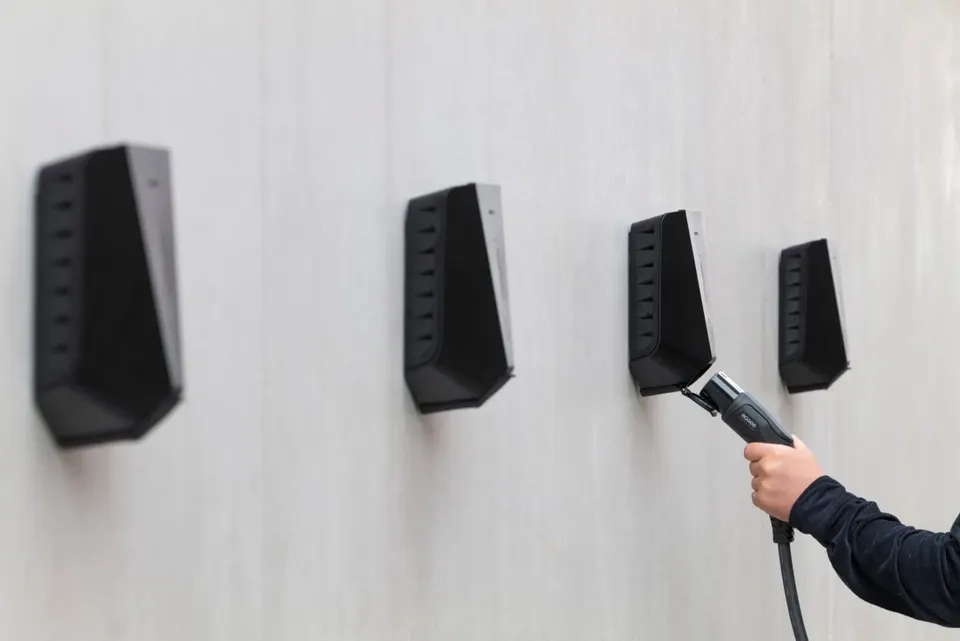
Image: Easee

Easee EV chargers

Easee

Charging hardware for staff and visitors, separate from the Fuuse management platform. The exact Easee model, platform compatibility, supply capacity and load-management limits are confirmed during design.

Easee: official information(opens in a new tab)

NoteManufacturers are selected for each project; final models depend on the design.

Next step / Define the brief

Bring your bills and your building plans.

Talk to our team